Process automation
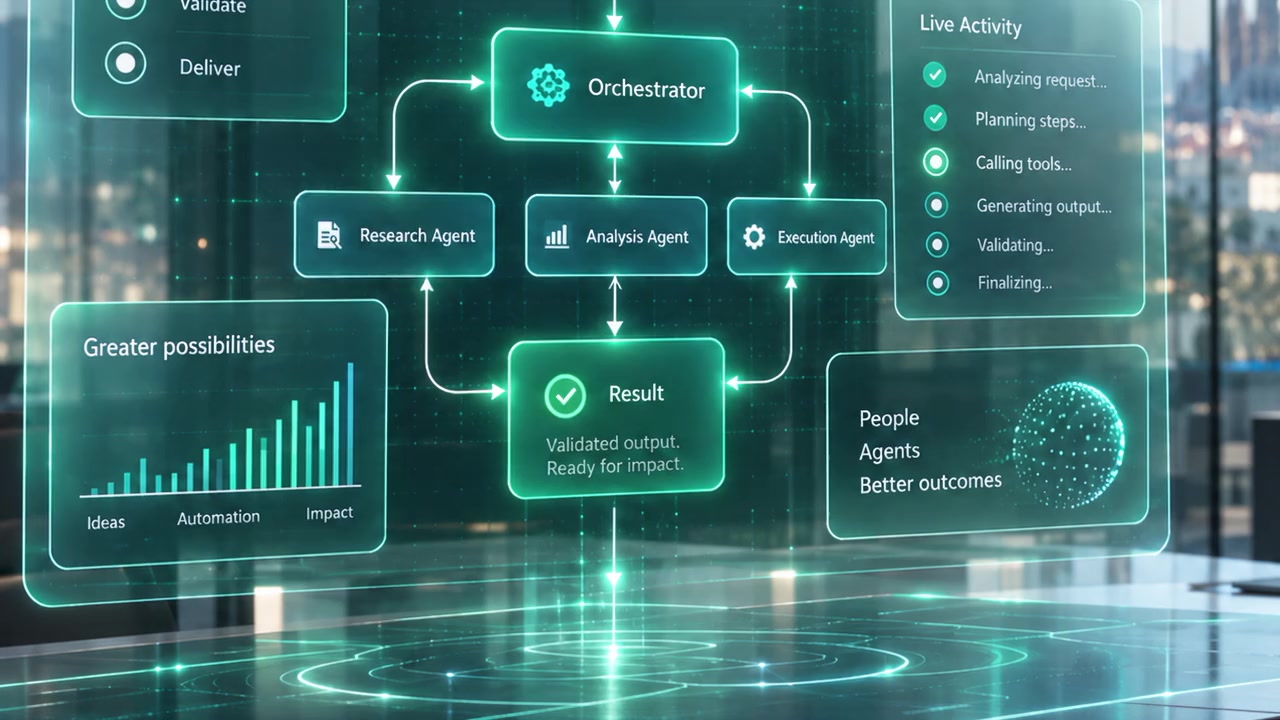
A workflow that today costs a team days a month becomes a system that runs itself. Intake, routing, approvals, reconciliation, transmission — the connective tissue between the tools a business already owns.
The material
The software that automates professional-services work, for businesses drowning in administration. That is the material: the admin.
The forms, the approvals, the reconciliations, the eleven-day handoffs, the spreadsheet somebody rebuilds every month.
It is unglamorous work, it is enormous, and it is almost entirely automatable. What makes it hard is not the technology — it is that automating a process requires understanding how it actually runs, which is rarely how anyone says it runs.
A workflow that today costs a team days a month becomes a system that runs itself. Intake, routing, approvals, reconciliation, transmission — the connective tissue between the tools a business already owns.
Where the work needs judgement rather than rules, agents do the reading, drafting and checking, and a person approves. Nothing auto-merges; every change arrives as something a human signs off.
Products the Lab takes on for their whole life — gathering needs, continuing to build, maintaining and running them. This is the part most automation programmes skip, and it is why theirs end up as prototype graveyards.
01 · Process automation
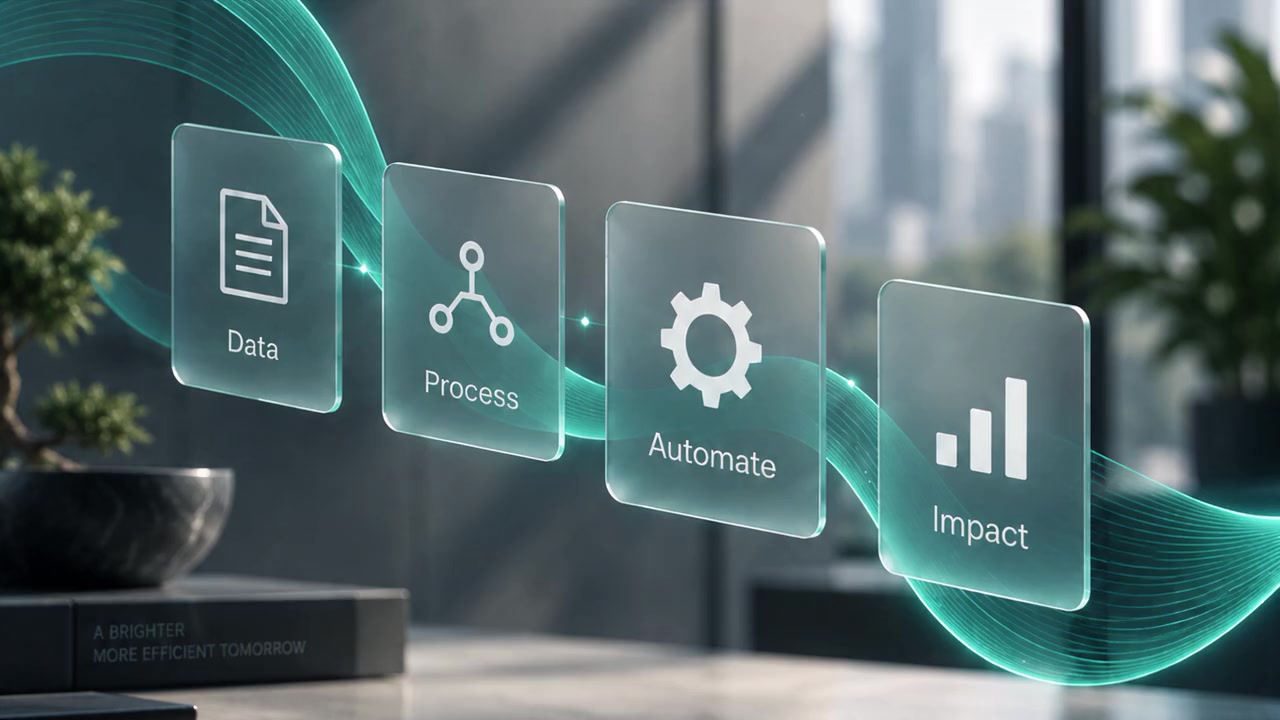
Intake, routing, approvals, reconciliation — the connective tissue between the tools a business already owns.
Every ask is registered before anyone goes anywhere, and it is registered in the same shape. Five things decide almost everything that follows.
What we do not need is a specification. The first stage of the work is finding out how the process really runs, and an ask that arrives already solved tends to skip the part where that gets checked.
02 · Agentic products
Agents do the reading, drafting and checking. Every change still arrives as something a person signs off — nothing auto-merges.
An organisation OS: a browser-resident process hub whose guidance writes itself from observed work traces, joined to business outcomes. Built, owned and run by Mainloop end to end.
A project-management platform for Spain's energy-saving certificate market: project delivery, registration and certificate transfer in one system, with internal teams and external partners working in the same place. The first body of work, and the reason the method had to be repeatable rather than heroic.
Anything agent-native starts here rather than being retrofitted onto something that was never built for it. It is the part of the portfolio that is not inherited, and it goes through the same intake, the same pipeline and the same handover as everything else.
03 · Owned platforms
Somebody owns the thing after the applause stops. This is the half most automation programmes skip.
Not the individual projects — the path. A repeatable, agentic route from idea to running product, applied the same way every time. That is the only reason a small team can carry a portfolio at all, and it is what we offer externally once it is proven internally.
Talk to us